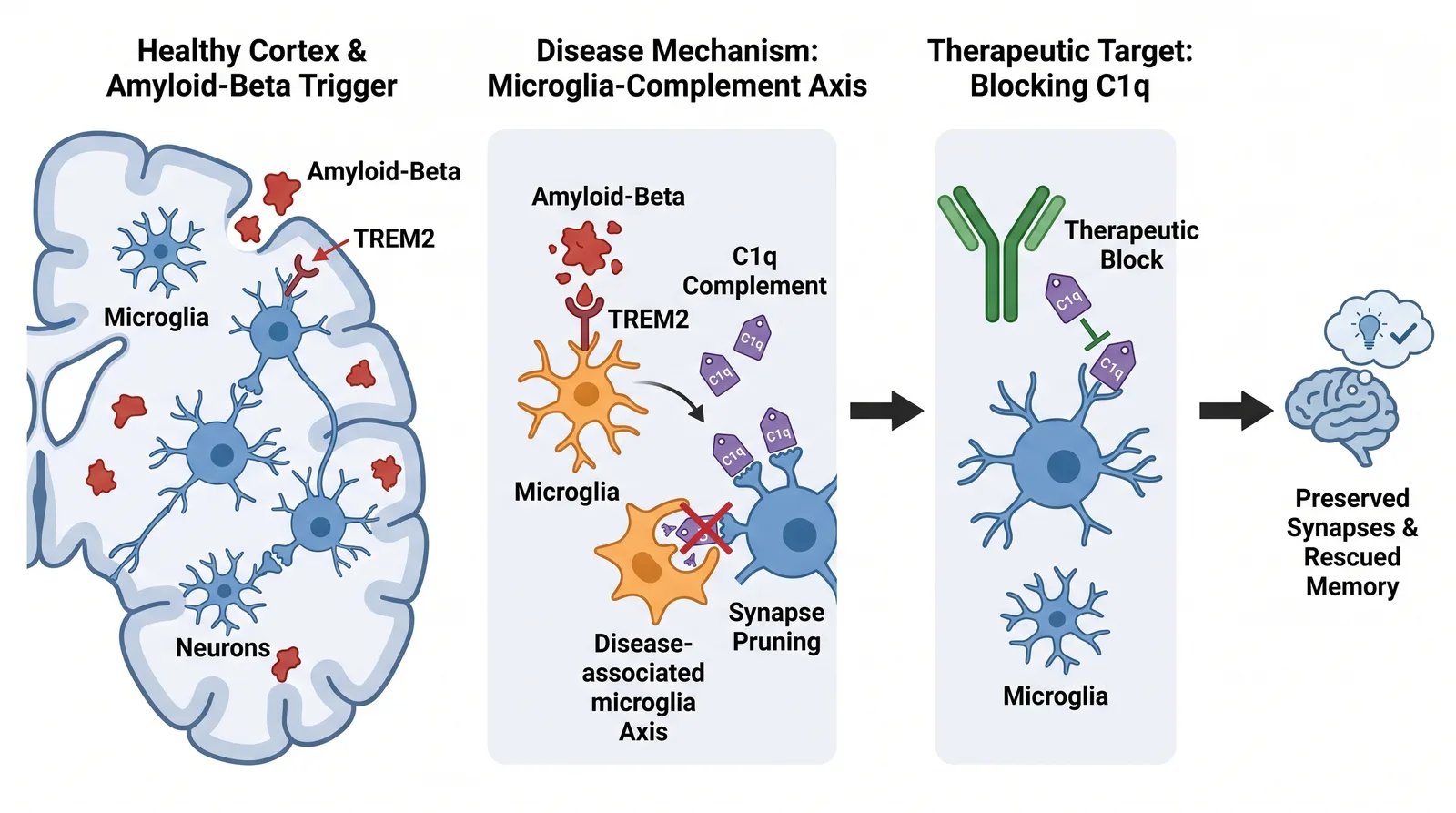
Nature Graphical Abstracts: Journal-Specific Requirements
Does Nature require a graphical abstract?
Nature Portfolio does not have one publisher-wide graphical-abstract requirement. Nature Communications' formatting instructions say that it does not allow a graphical abstract, while Nature Chemical Biology publishes graphical abstracts with Articles, Reviews, and Perspectives.
Check the exact title before designing one.
Example: Nature Chemical Biology
Nature Chemical Biology asks for a graphical abstract sized to 90 × 50 mm. Its figure instructions set a minimum of 300 dpi for figure panels, and its graphical-abstract section asks for a single standard-format file with minimal text. These values are a journal-specific example, not a Nature Portfolio preset.
Check the live AI policy
The current Nature Portfolio AI policy uses a risk-assessment framework centered on human accountability, verification, and disclosure, while individual journals may add stricter instructions.
Do not infer from this guide that an AI-generated graphical abstract is permitted. Treat Abfig output as a draft until the target journal explicitly permits the intended use and you have met its production and disclosure requirements.
How to prepare a draft
- Confirm that the exact journal and article type request a graphical abstract.
- Use only that journal's current dimensions; do not reuse the Nature Chemical Biology example as a portfolio-wide preset.
- Generate or sketch one clear scientific story and verify every label and relationship.
- Check the final file type, resolution, production method, and disclosure requirements.
Turn this guidance into a visual draft
Use Abfig to explore a layout and communication draft. Check every scientific detail and the target journal's current policy before using it.
Table of Contents
Author
Categories
Tags
More Posts
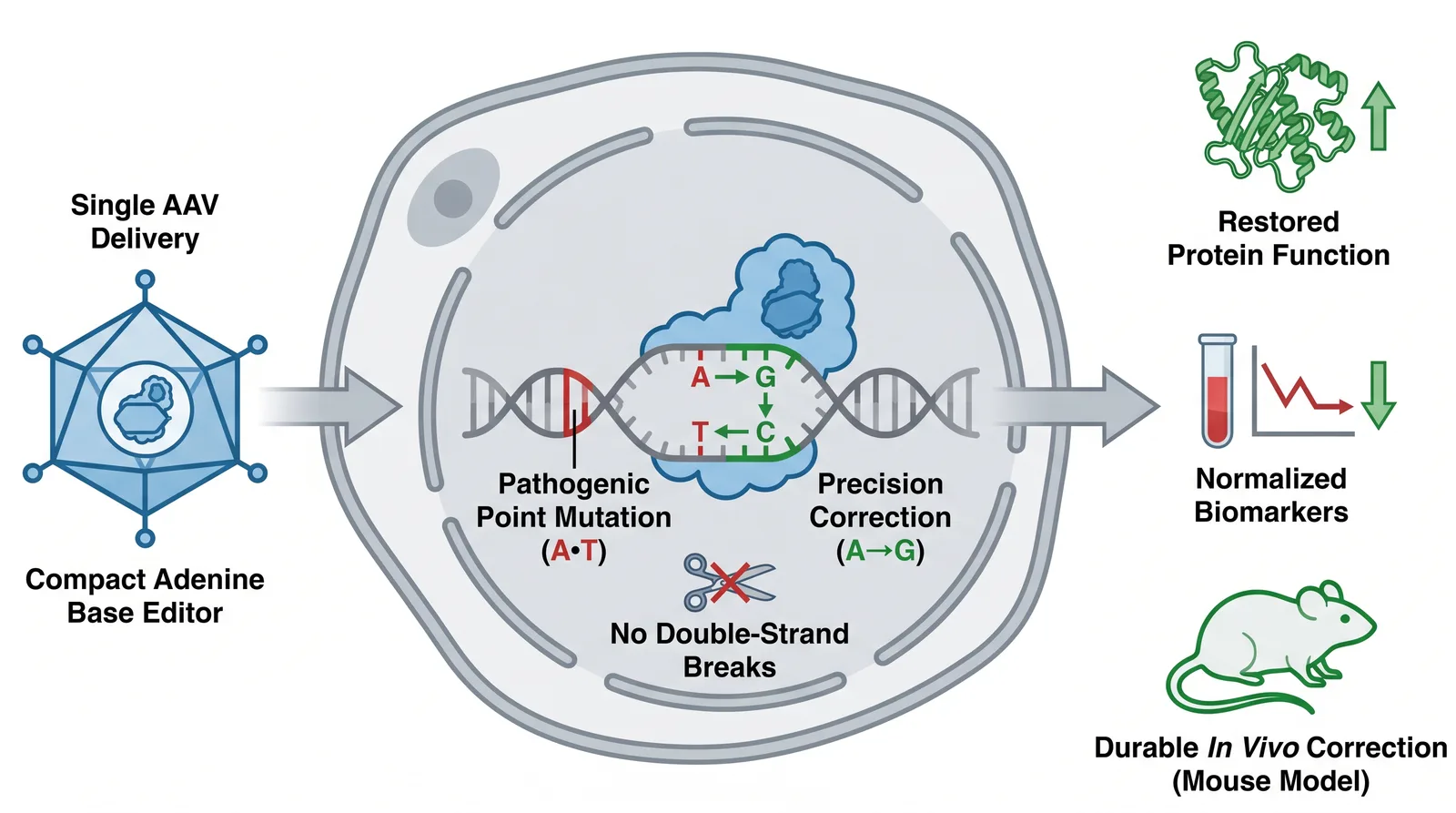
How to Make a Graphical Abstract: A Practical 2026 Workflow
Plan, generate, refine, and export a graphical abstract while checking the current instructions for your target journal.
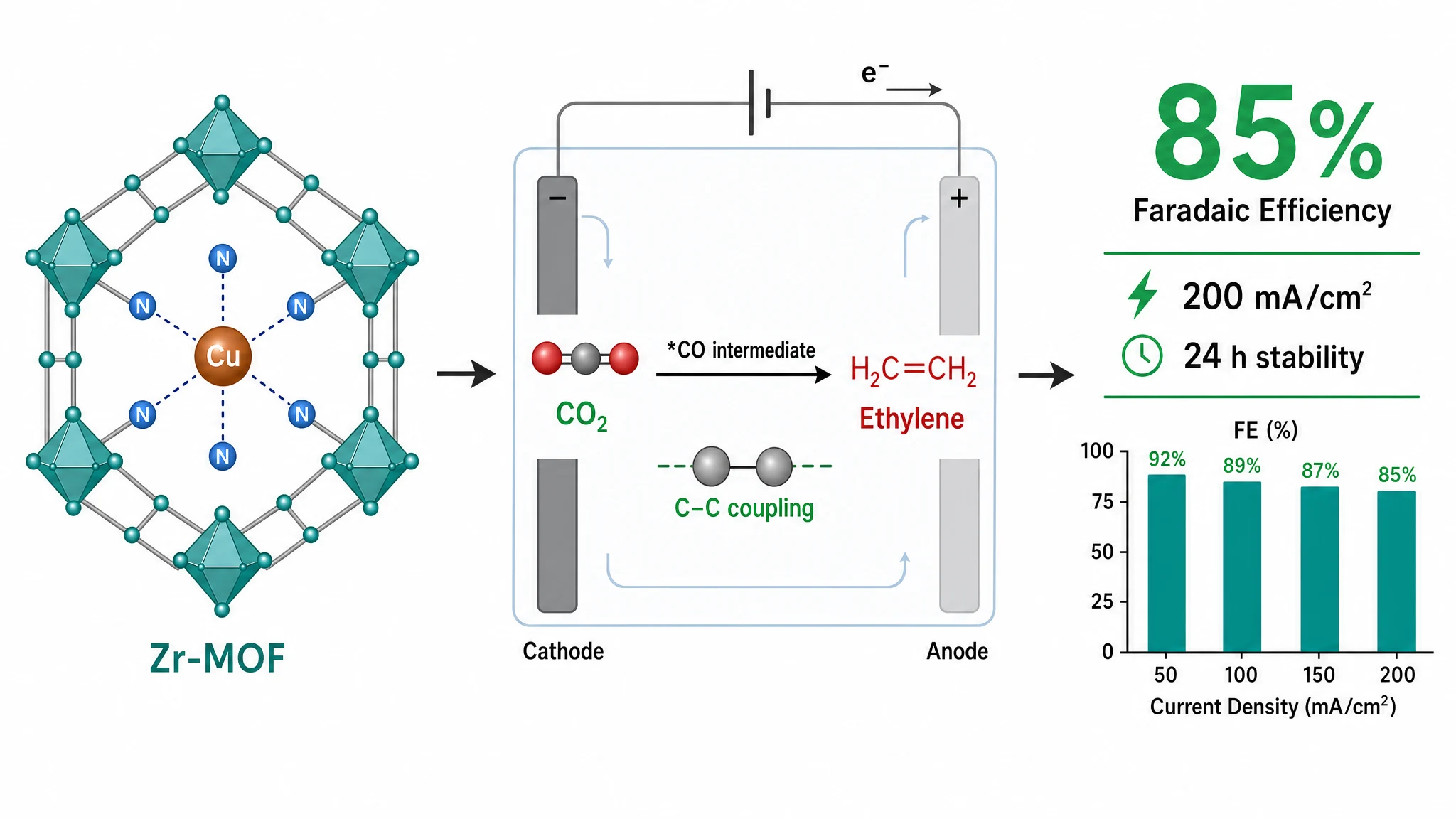
Graphical Abstract Size & DPI Requirements by Journal
Graphical-abstract size, resolution, color, and file rules are journal-specific. Compare cited examples, then verify the exact journal.

ACS TOC Graphic Guidelines: Check the Exact Journal
ACS TOC-graphic requirements vary by journal. Use ACS Catalysis as a current cited example, then verify the exact title and article type.