
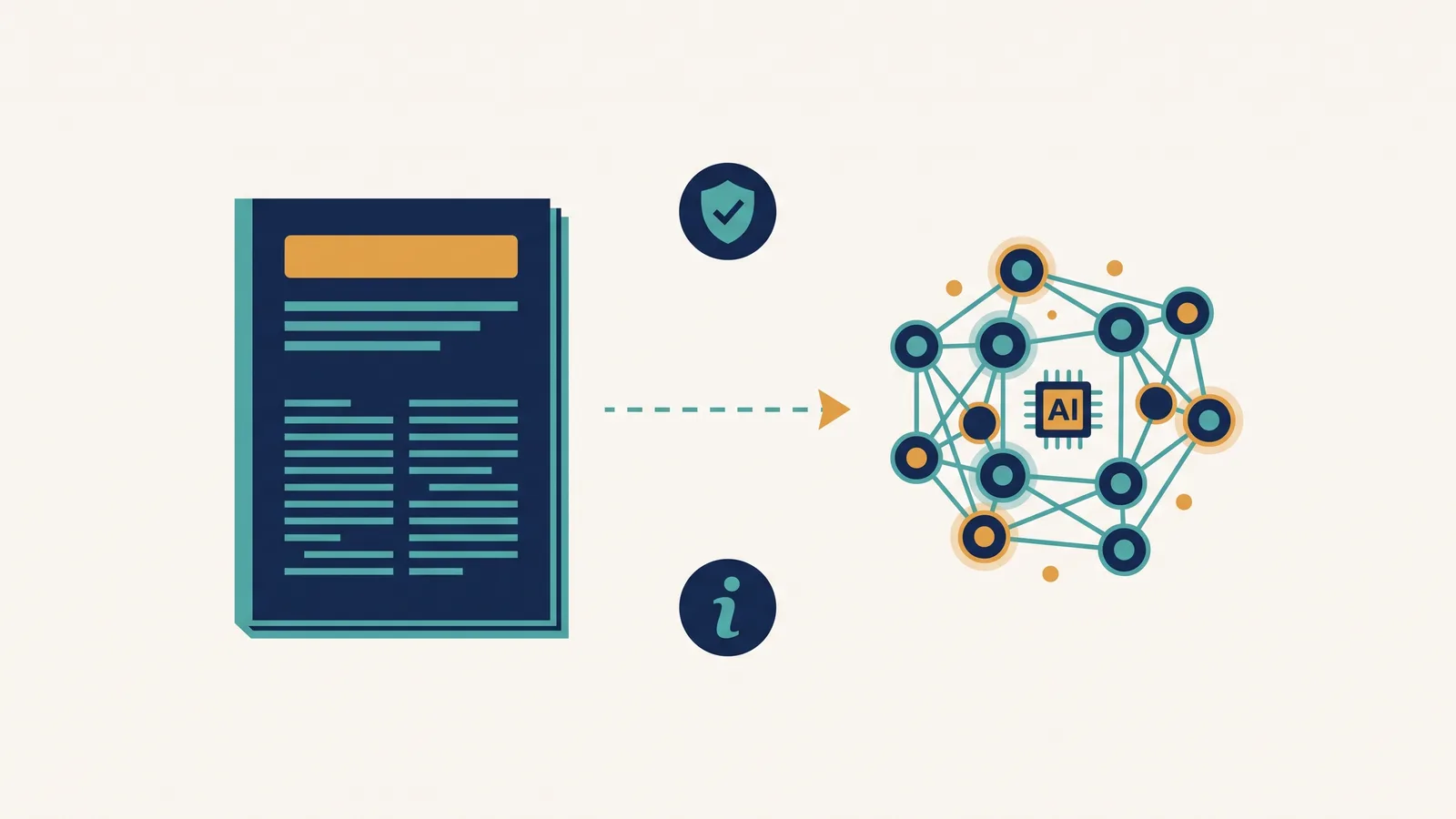
Can You Use AI to Make a Graphical Abstract? Journal Policies
The short answer: it depends on your journal — and it changes
Yes, you can use AI to make a graphical abstract — the tools exist and they work. Whether you may submit an AI-generated one depends on your publisher, and that is a moving target: more than one major publisher has rewritten its position on AI-generated figures in the past couple of years.
That is why this page does not hand you a verdict table. A list of "publisher X allows it, publisher Y doesn't" looks helpful and then goes quietly stale — and a stale permission is the kind of mistake that lands on you at submission, not on us. So instead: how to check your own journal in about two minutes, and a workflow that is safe whichever way its policy falls.
Check your journal's policy in two minutes
Open your publisher's own AI or editorial policy page and search it for "image", "figure", or "illustration":
| Publisher | Official AI / editorial policy |
|---|---|
| Elsevier | Generative AI policies for journals |
| Cell Press | Follows Elsevier's policy (link above) |
| Springer Nature / Nature | AI guidance for researchers |
| Wiley | Publishing ethics guidelines |
| ACS | AI policy for authors |
| Frontiers | Policies and publication ethics |
| PLOS ONE | Ethical publishing practice |
| Science (AAAS) | Information for authors — note that the flagship journal uses a short structured summary rather than a graphical abstract |
Then check your specific journal's own author instructions: individual titles within a publisher can be stricter than the publisher-wide policy.
Two traps when you read a policy page
- Publishers don't all call it a "graphical abstract." ACS, for example, calls it the Table of Contents (ToC) graphic. If you search a policy page for "graphical abstract" and find nothing, search for your publisher's own term instead — the rule that applies to you may be filed under a different name.
- One policy page can contain several different rules. A clause permitting AI for cover art, or for figures inside the manuscript, does not necessarily cover the summary graphic — some publishers state those rules in separate sentences with different answers. Find the sentence about your artifact before concluding anything.
Why publishers restrict AI images
The concern is scientific integrity. A graphical abstract represents your findings, and a general-purpose image model can invent structures, mislabel components, or fabricate visual detail that looks plausible but is not in your data. Publishers that prohibit AI images are drawing a line around figures that could misrepresent results. Publishers that allow it with disclosure are betting that transparency plus author accountability is enough.
What "disclosure" means where AI is allowed
Where AI use is permitted, disclosure is generally not optional. In practice it means:
- Name the tool and how you used it — usually in the figure caption, the methods, or the acknowledgements (check where your journal wants it).
- Take responsibility for accuracy — you are accountable for every element in the figure, AI-generated or not.
- Check the tool's terms — some publishers require that the tool's terms permit commercial use and do not claim ownership of the output. Verify this for whichever tool you use, and note that some image models embed an invisible watermark in their output.
A workflow that is safe under any policy
Whatever your target journal's policy turns out to be, AI is genuinely useful for the parts before a final submission:
- Drafting. Turning a blank page into a first-pass composition — from your abstract text or a rough sketch — is where AI saves the most time.
- Sizing and format. Getting the dimensions, DPI, and file format right for your target journal is mechanical work that tooling can handle regardless of image policy.
- The final figure has to comply with your journal's rules. If your journal permits AI-generated images with disclosure, submit it with that disclosure. If it does not, use the draft as a composition and sizing reference, and produce the artwork you actually submit in a permitted way.
This is how Abfig is built to be used: it drafts a graphical abstract with AI from your abstract or sketch and sizes it to your target journal at 300 DPI, and it includes a DPI checker to verify your final artwork against journal specs. It gets you a draft and the right geometry — it does not make your figure submission-approved. That depends on your journal's policy, which is yours to check and yours to disclose.
The bottom line
Can you use AI to make a graphical abstract? Technically, always. Should you submit one? Only if your journal's current policy allows it, and then only with proper disclosure. Check the policy page for your specific journal — not a summary of it, and not a table from last year — and treat AI as a drafting and sizing aid until you have confirmed otherwise.
Frequently asked questions
Can I use ChatGPT or Midjourney to make a graphical abstract? You can generate one. Whether you can submit it depends entirely on your target journal's AI policy, so check that policy page directly — and look for the rule that covers the summary graphic specifically, not just figures in general.
Do I have to tell the journal I used AI? Where AI use is permitted, essentially always yes. Publishers that allow AI-generated or AI-edited figures generally require disclosure, and you remain responsible for the figure's accuracy either way.
Which journals allow AI-generated graphical abstracts? This varies by publisher and gets revised, so we deliberately don't keep a scoreboard on this page — a stale "allowed" is worse than no answer. Use the policy links above to check your own journal.
Can I submit an AI-generated graphical abstract as-is? No. Treat any AI-generated figure as a draft: check it for scientific accuracy and confirm it against your journal's format rules and AI policy before submitting.
Related guides
Create your own graphical abstract
Paste your paper abstract and Abfig drafts a journal-sized figure, sized for your target journal.
Table of Contents
Author
Categories
Tags
More Posts

Does PLOS ONE Require a Graphical Abstract? Current Guidance
PLOS ONE does not describe a separate graphical abstract submission. Learn what its optional Striking Image is and where to verify current figure rules.
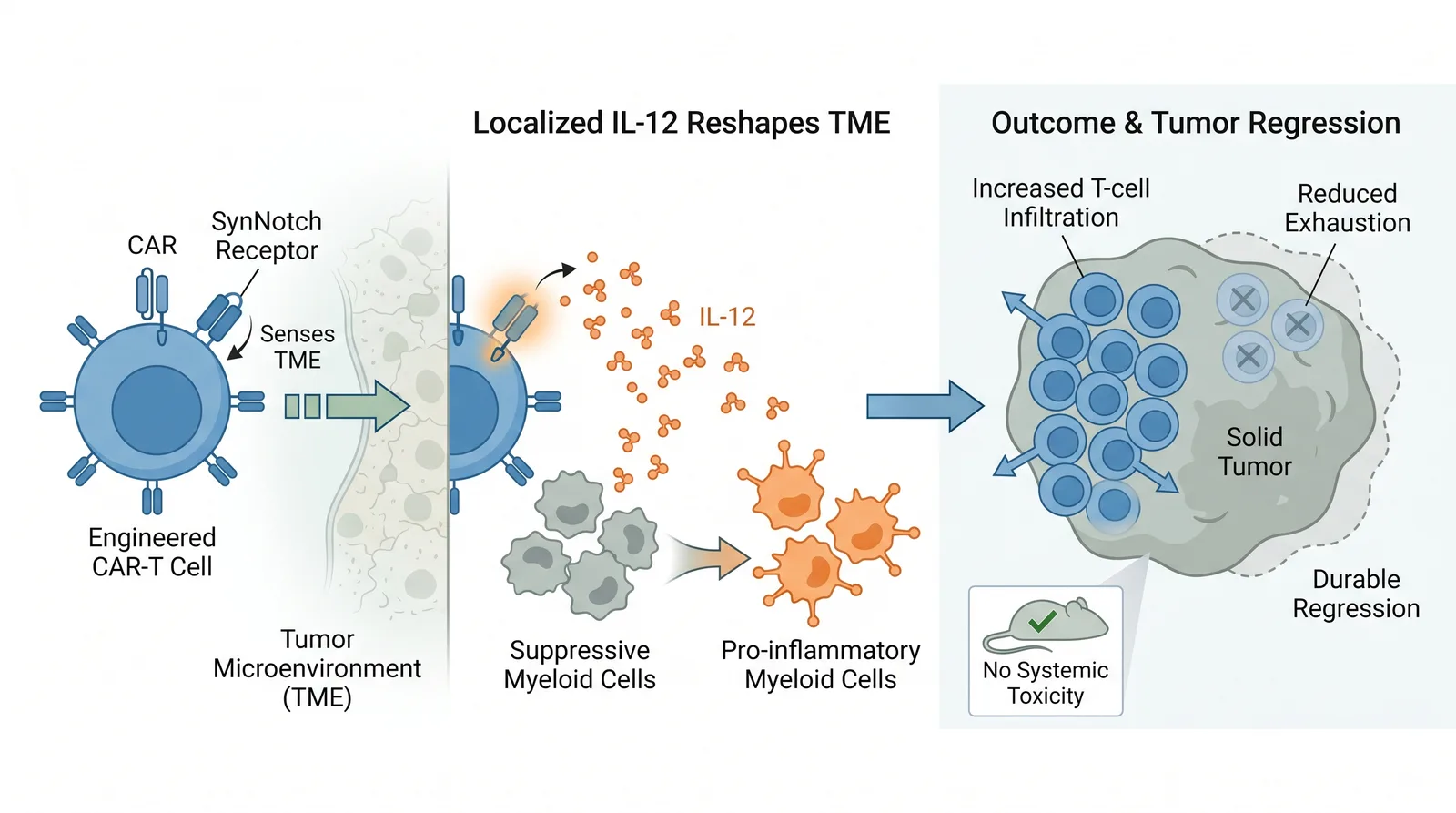
Graphical Abstract Examples: How to Analyze Layout and Hierarchy
Use illustrative Abfig drafts and official journal examples to study layout, hierarchy, labels, and visual flow.
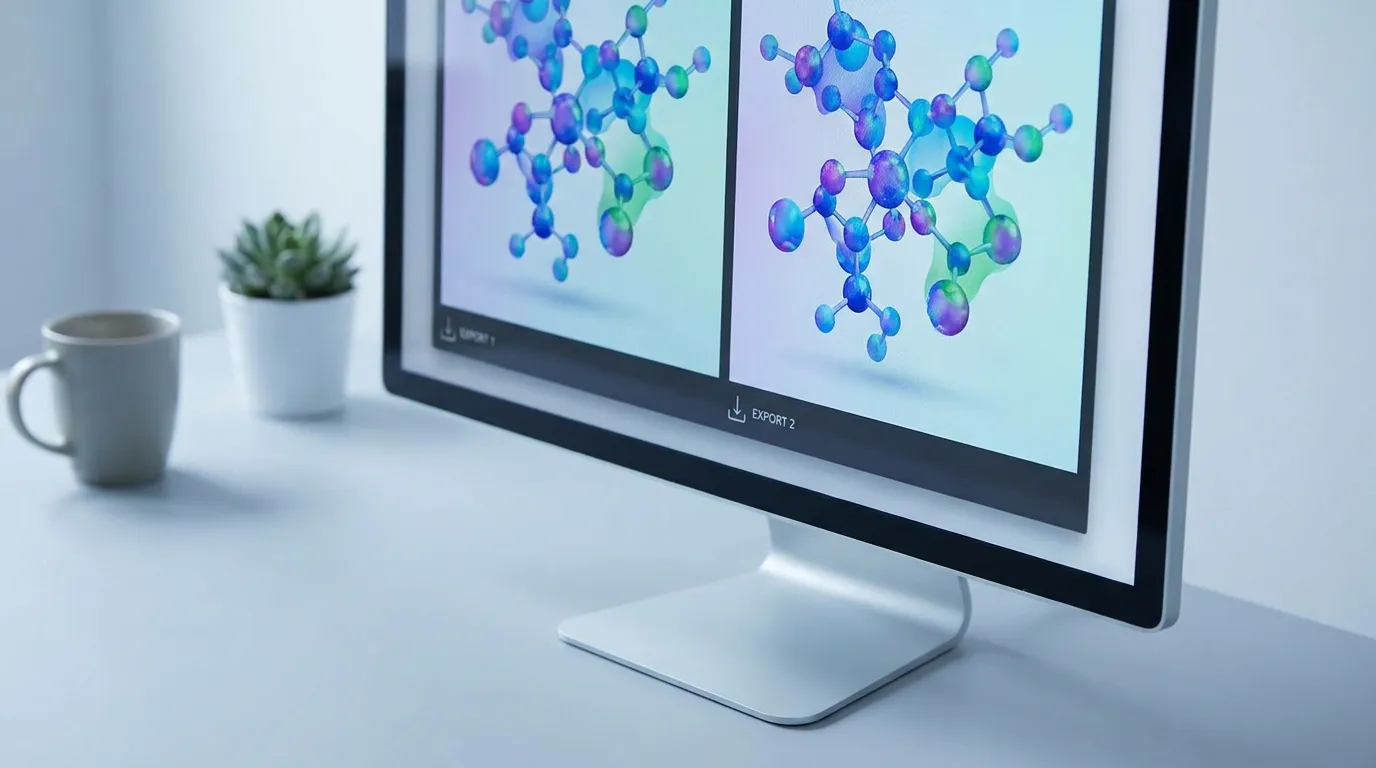
TIFF vs PNG for Graphical Abstracts: Which Format Should You Export?
TIFF is safest for final journal submission; PNG is ideal for web and previews. When to use each, the DPI myth explained, and what to do if your journal wants EPS or PDF.